The Wildwood Boardwalk stands today as a testament to American ingenuity, resilience, and the enduring appeal of the Jersey Shore. Stretching 38 blocks along the Atlantic Ocean, this wooden wonder has welcomed generations of families seeking sun, fun, and unforgettable memories. Yet few visitors pause to consider the remarkable story of how this iconic promenade came to be.
The Humble Beginning
In the late 1800s, Wildwood was little more than a remote barrier island accessible only by boat. The first settlers were fishermen and farmers who recognized the potential of the pristine beaches and abundant natural resources. As word spread about the island's beauty, enterprising developers saw an opportunity to create a seaside resort that could rival Cape May and Atlantic City.
The original boardwalk, constructed in 1895, was a modest affair—a simple wooden walkway designed to keep sand out of the nearby hotels. Unlike the grand promenades of neighboring resort towns, Wildwood's first boardwalk was purely functional, measuring just a few blocks in length and barely wide enough for two people to pass comfortably.
The Boom Years
Everything changed in the 1920s and 1930s. The completion of the Ocean Drive bridge system finally connected Wildwood to the mainland, unleashing a flood of visitors eager to escape the summer heat of Philadelphia and New York. The boardwalk expanded rapidly to accommodate the growing crowds, stretching northward and southward as new businesses clamored for prime oceanfront real estate.
During this golden age, the boardwalk transformed from a simple walkway into a destination unto itself. Amusement piers sprouted like mushrooms after rain, each one trying to outdo its neighbors with more thrilling rides, more dazzling lights, and more exotic attractions. The Hunt's Pier, Sportland Pier, and Marine Pier became household names, drawing families back year after year.
Weathering the Storms
The boardwalk's history has not been without challenges. Hurricane after hurricane has battered the wooden structure, with particularly devastating storms in 1944, 1962, and 1992 causing millions of dollars in damage. Each time, the community rallied to rebuild, often improving and expanding the boardwalk in the process.
The Great Atlantic Hurricane of 1944 completely destroyed large sections of the boardwalk, washing away rides, buildings, and decades of memories. Yet within months, reconstruction had begun. The resilient spirit of Wildwood's business owners and residents refused to let nature claim their beloved promenade permanently.
The Doo-Wop Era
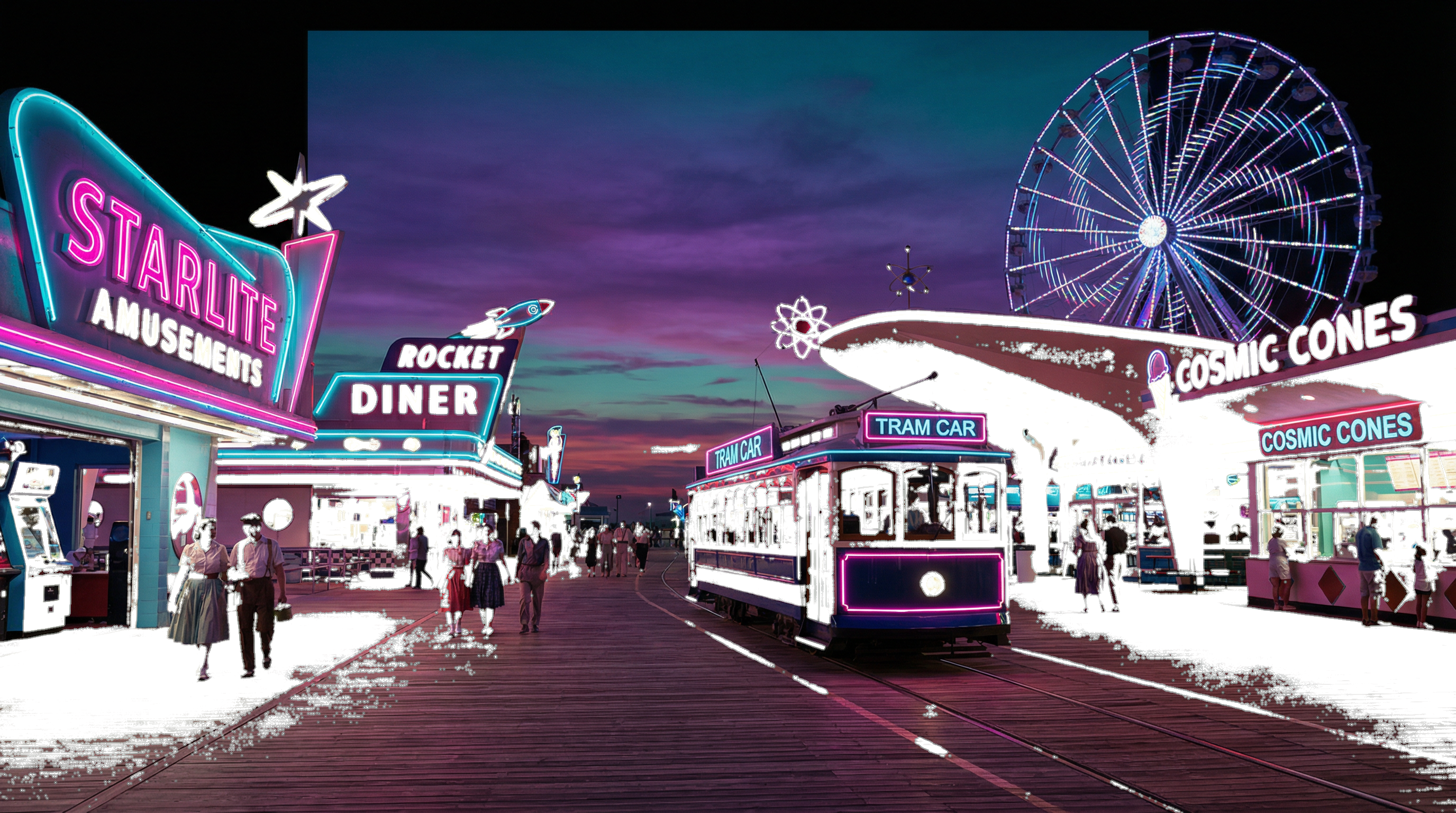
The 1950s and 1960s marked perhaps the most significant transformation in the boardwalk's character. As the Doo-Wop architectural movement swept through Wildwood's motels and businesses, the boardwalk embraced a futuristic, space-age aesthetic that perfectly captured the optimism of post-war America.
Neon signs blazed in every color imaginable, advertising everything from salt water taffy to psychic readings. The tram cars, introduced in 1949, became an iconic symbol of the boardwalk experience, their distinctive bells and the conductor's call of "Watch the tram car, please!" becoming forever embedded in the memories of millions of visitors.
Modern Marvel
Today's boardwalk represents over a century of continuous evolution. Modern safety standards have replaced much of the original construction, yet the essential character remains unchanged. The same wooden planks that once echoed with the footsteps of Victorian ladies in long dresses now support families in flip-flops and swimsuits.
The boardwalk has adapted to changing times while preserving its historic charm. Classic attractions like Morey's Piers have expanded and modernized, adding cutting-edge roller coasters alongside vintage rides. New restaurants and shops blend seamlessly with establishments that have served multiple generations of the same families.
A Living Legacy
What makes the Wildwood Boardwalk truly special is not just its history, but its continued vitality. Unlike many historic boardwalks that have become museum pieces or fallen into disrepair, Wildwood's remains a thriving, dynamic space where new memories are created every day.
The boardwalk serves as a bridge between past and present, where grandparents can share their childhood experiences with grandchildren, pointing out the same landmarks they visited decades ago. The smell of pizza and funnel cakes, the sound of arcade games and crashing waves, the sight of neon lights reflecting off the ocean—these sensory experiences connect visitors across generations.
Preserving the Future
As the boardwalk enters its second century, preservation efforts have intensified. The Wildwood community recognizes that this wooden treasure represents not just local history, but an important chapter in American leisure culture. Careful maintenance, thoughtful renovations, and strict design guidelines ensure that future generations will experience the same magic that has captivated visitors for over 100 years.
The boardwalk stands as a reminder that some places transcend their physical form to become something greater—a repository of collective memory, a canvas for dreams, and a stage where the drama of summer vacation plays out year after year. As long as families seek the simple pleasures of sun, sand, and seaside fun, the Wildwood Boardwalk will continue to welcome them with open arms and the promise of infinite memories yet to be made.
You May Also Like
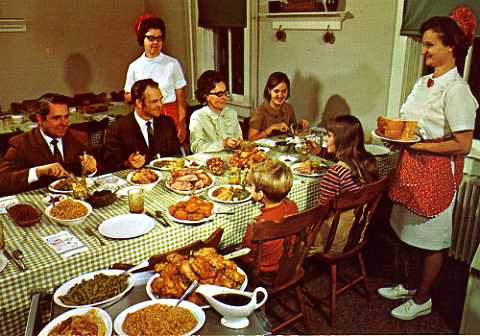
Remembering Zaberer's: Where Families Went to Get 'Zaberized'
Step back in time to remember Zaberer's, the legendary restaurant that defined family dining in Wildwood and Egg Harbor Township with its kitschy décor, enormous portions, and signature 'Zaberized' cocktails.
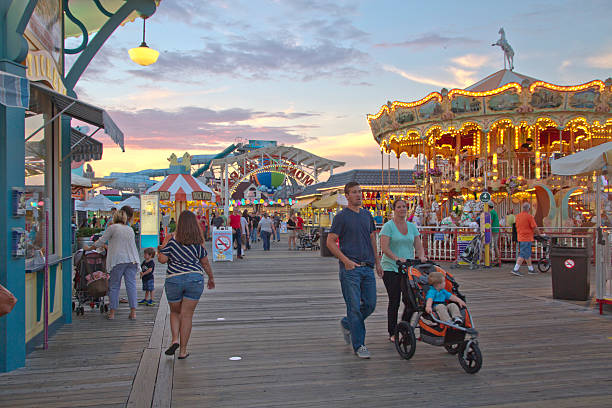
The Song That Made Wildwood Famous: Bobby Rydell's 'Wildwood Days'
Discover how Bobby Rydell's 1963 hit 'Wildwood Days' became the unofficial anthem of the Jersey Shore and transformed Wildwood into a nationally recognized summer destination.
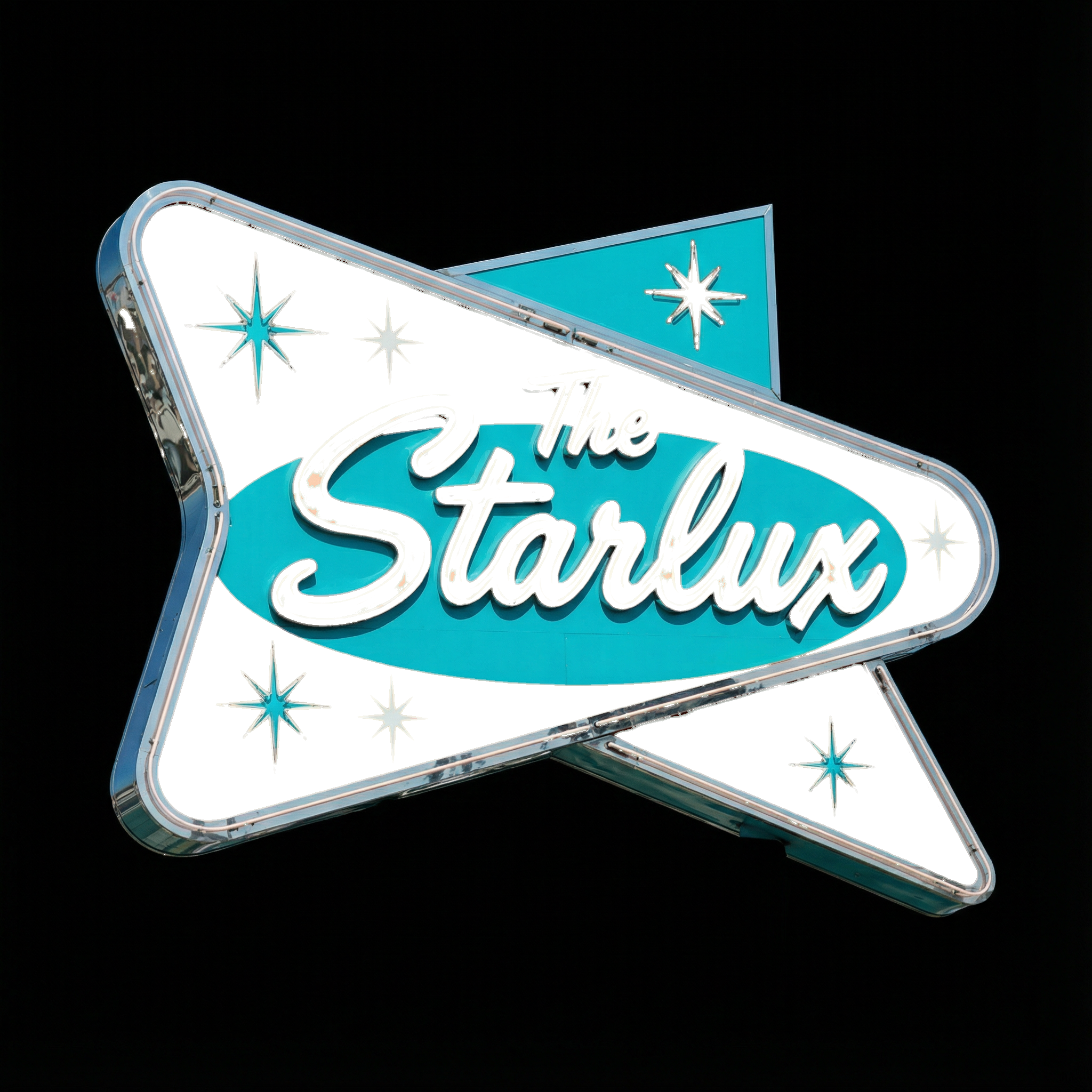
Neon Nights: The Golden Age of Wildwood's Sign Culture
Deep dive into the art and craftsmanship of vintage neon signs that transformed Wildwood's skyline into a glowing wonderland of mid-century Americana.