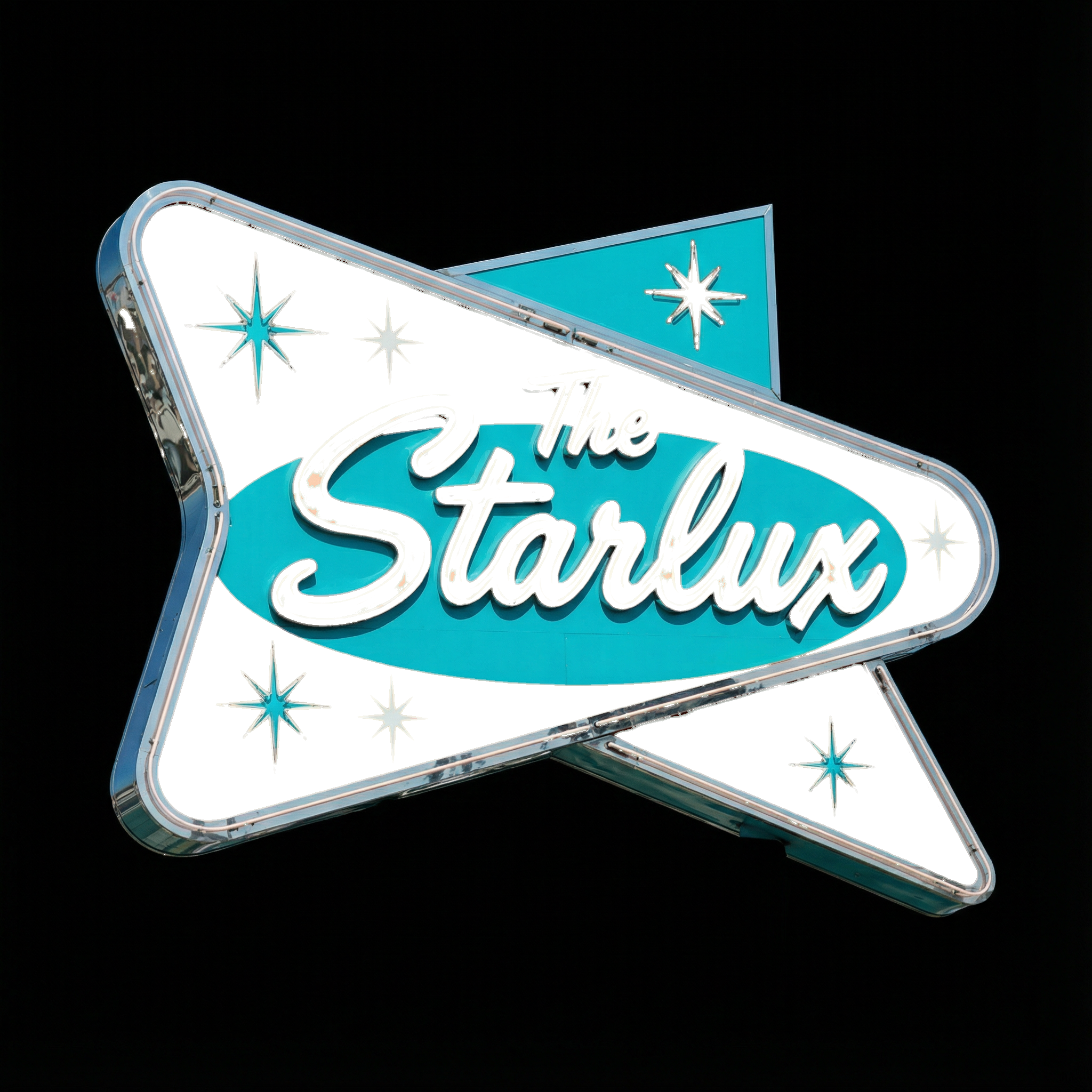
As twilight descends on Wildwood, a magical transformation occurs. The pastel buildings of daytime fade into silhouettes, and suddenly the night explodes with color. Pink flamingos glow against turquoise backgrounds, starbursts radiate in brilliant orange, and cursive script dances in electric blue. This is the neon legacy of Wildwood—a dazzling display of artistry, commerce, and pure American optimism frozen in glass tubes and noble gases.
The Science of Seduction
Neon signs are marvels of both art and science. Discovered in 1898 by British chemists William Ramsay and Morris Travers, neon gas produces a distinctive reddish-orange glow when electrified. By the 1920s, entrepreneurs had figured out how to bend glass tubes into any shape imaginable and fill them with various gases to create a rainbow of colors. Neon produced red and orange, argon created blue and green, and combinations with phosphor coatings expanded the palette even further.
For Wildwood's motel owners in the 1950s and 60s, neon represented the perfect marketing tool. In an era before interstate highways and GPS, motorists navigating dark coastal roads needed beacons to guide them to lodging. The brighter and more eye-catching the sign, the better chance of filling rooms. What began as practical advertising evolved into an arms race of creativity, with each establishment trying to outshine its neighbors.
Masters of the Craft
Creating a neon sign required extraordinary skill. Sign makers were part artist, part engineer, and part chemist. The process began with detailed drawings, often created by specialized designers who understood both aesthetics and the physical limitations of bent glass. These designs had to account for electrical load, structural support, and visual impact from various distances and angles.
The actual fabrication demanded years of apprenticeship to master. Craftsmen heated glass tubes over ribbon burners, carefully bending them to match the design while maintaining consistent diameter and avoiding weak points. A single mistake could ruin hours of work. Once shaped, the tubes were evacuated of air, filled with the appropriate gas, and sealed with electrodes. The entire process for a complex sign could take weeks or even months.
Wildwood attracted some of the finest neon craftsmen on the East Coast. Companies like Atlantic Sign Company and Shore Neon became legendary for their work, creating the iconic signs that still define the island's visual identity. These artisans didn't just make signs—they created glowing sculptures that told stories and captured dreams.
The Language of Light
Each Wildwood neon sign tells a story through its imagery and style. The Starlux Hotel's starburst design speaks to the space-age fascination of the 1950s, when Americans looked to the stars with wonder and ambition. The Caribbean Motel's swaying palm trees promised tropical escape, transporting guests mentally to exotic islands even as they remained firmly on the Jersey Shore.
The typography of these signs reveals fascinating cultural insights. Flowing script fonts suggested elegance and sophistication, while bold block letters conveyed strength and reliability. Many signs incorporated movement through sequential lighting, creating the illusion of flowing water, twinkling stars, or diving swimmers. These animated effects required complex electrical systems and careful timing, adding another layer of technical challenge to the craft.
Decline and Near-Extinction
By the 1970s and 80s, neon's golden age was ending. New plastic signs with internal fluorescent lighting proved cheaper to manufacture and maintain. Many property owners, eager to modernize, replaced their vintage neon with bland contemporary signage. Worse still, entire motels were demolished to make way for condominiums and parking lots, taking their irreplaceable signs with them.
The situation grew dire enough that preservationists began sounding alarms. Wildwood was in danger of losing the very visual identity that made it unique. Dozens of iconic signs had already been destroyed, their glass tubes shattered and their metal frameworks sold for scrap. Each loss represented not just a sign, but a piece of American cultural history that could never be recovered.
The Preservation Movement
The founding of the Doo Wop Preservation League in the 1990s marked a turning point. Activists, historians, and business owners recognized that Wildwood's neon signs were not just advertising—they were art, history, and economic assets rolled into one. The organization began documenting remaining signs, advocating for their protection, and educating the public about their significance.
One of the preservation movement's greatest achievements was the creation of the Neon Sign Garden at the Doo Wop Experience Museum. This outdoor display showcases restored signs from demolished motels, giving them a second life and allowing visitors to appreciate their artistry up close. Walking through the garden at night, surrounded by glowing relics of the past, provides a powerful connection to Wildwood's golden age.
Modern Renaissance
Today, Wildwood's neon signs are experiencing a remarkable renaissance. Property owners who once viewed their vintage signs as outdated now recognize them as valuable assets that attract tourists and distinguish their businesses. Restoration projects have brought dozens of signs back to their original glory, with craftsmen painstakingly recreating damaged sections using traditional techniques.
New businesses are even commissioning custom neon signs in vintage styles, understanding that this aesthetic has become synonymous with the Wildwood brand. These contemporary creations honor the past while serving present-day needs, ensuring that the neon tradition continues for future generations.
A Glowing Legacy
Wildwood's neon signs represent more than nostalgia or kitsch. They embody a moment in American history when optimism soared, when the future seemed bright and limitless, and when artisans took pride in creating beauty that served commerce. These glowing tubes of gas and glass transformed a simple barrier island into a beacon of joy visible for miles.
As preservation efforts continue and public appreciation grows, Wildwood's neon legacy seems secure. Future generations will still experience the thrill of seeing these signs blaze to life at dusk, still feel the pull of their colorful promise, and still create memories illuminated by the warm glow of noble gases dancing in glass. In a world increasingly dominated by LED screens and digital displays, Wildwood's neon signs remind us that sometimes the old ways of doing things were simply better—more beautiful, more crafted, more human.
The next time you see a vintage neon sign glowing in the Wildwood night, take a moment to appreciate the artistry, history, and craftsmanship it represents. You're not just looking at advertising—you're witnessing a luminous chapter of American cultural history, still burning bright after all these years.
You May Also Like
Wildwood's Music Legacy: From Doo-Wop to Rock and Roll
How music shaped Wildwood's identity and attracted legendary performers from Bobby Rydell to Bill Haley, creating a soundtrack for generations of summer memories.
Remembering Zaberer's: Where Families Went to Get 'Zaberized'
Step back in time to remember Zaberer's, the legendary restaurant that defined family dining in Wildwood and Egg Harbor Township with its kitschy décor, enormous portions, and signature 'Zaberized' cocktails.
The Song That Made Wildwood Famous: Bobby Rydell's 'Wildwood Days'
Discover how Bobby Rydell's 1963 hit 'Wildwood Days' became the unofficial anthem of the Jersey Shore and transformed Wildwood into a nationally recognized summer destination.